

I take note of what author, producer and director Taika Waititi does because of his film and TV show, What We Do in the Shadows. These have long been some of my favourites, and I love the characters and can actually quote lines from them. Waititi co-wrote, co-directed, and starred in What We Do in the Shadows (2014) with Jemaine Clement. The very funny and unusual film was adapted into a television series of the same name in 2019. By now, it’s a franchise.
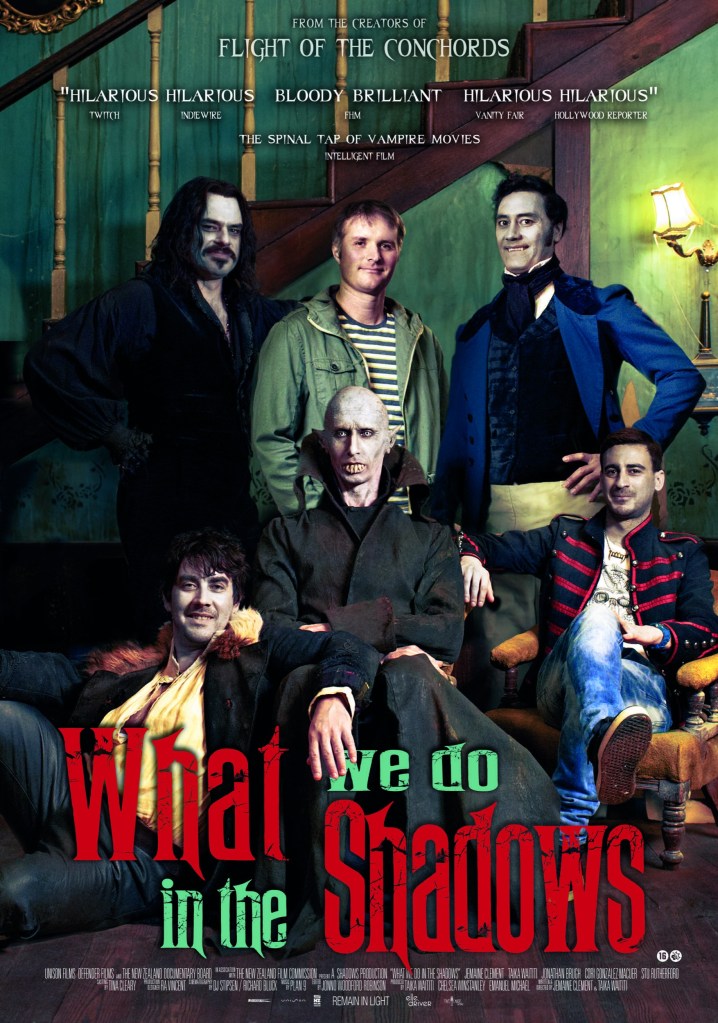

At the time, Waititi was just a normal New Zealander, with the crazy sense of humour that creatives who are far removed from Hollywood are free to show. His co-writer, Jemaine Clement, is, of course, one of the duo of the comedy music act, Flight of the Conchords, formed in Wellington, New Zealand in 1998, and still going! I really enjoyed Flight of the Conchords. But the sheer unbridled imagination of What We Do in the Shadows still tickles me. The characters that they created for the franchise are really appealing and wildly funny.
My favourites are “Viago Von Dorna Schmarten Scheden Heimburg”, “Vladislav ‘The Poker’ Pokeris”, “Nandor the Relentless”, “Laszlo Cravensworth”, “Nadja”, “Guillermo De la Cruz”, and “Colin Robinson (I & II)”. They are all vampires, except Guillermo, who is an aspiring vampire. And Colin Robinson drains office workers not of blood, but of the will to live, through sheer boredom. You may have known a Colin Robinson at work. For vampires, they are all too human.
These characters are quotable, and memorable. Eventually you know what “Viago” or “Laszlo” might say or get up to. Which brings me to one of Waititi’s less successful projects, Klara and the Sun, for which he is now receiving major flak.
A different kind of non-human character

hardcover; 320 pages)
I reviewed the novel which was made into the film, Klara and the Sun (2021), by the acclaimed author, Kazuo Ishiguro. The key aspect of the novel is the main character, “Klara”, a robot, an android. I said that, due to the skill of the author, the risk that readers would not be able to empathize with a robot or android, as the main character, was mostly nullified. The problem would have been how to translate this to the screen – which Waititi had to solve when making the film of the book. Bear in mind that Waititi has had success with similarly challenging and unusual films, for instance the award-winning Jojo Rabbit, and the popular Hunt for the Wilderpeople.
The film of Klara and the Sun
The film of Klara and the Sun is directed by Taika Waititi, and Waititi and Dahvi Waller wrote the screenplay, adapted from the Ishiguro’s novel. Ishiguro is not credited as a writer on the film. Thus, the adaptation was in the hands of Waititi and Waller.
“The film had its world premiere at the 70th BFI London Film Festival on October 15, 2026, and was theatrically released in the United States and the United Kingdom on October 23, 2026 by Sony Pictures Releasing. It received generally negative reviews from critics and has grossed $3 million worldwide against a budget of $20 – 44.3 million, making it a box-office bomb.” (Source: Wikipedia)
According to the IMDB, at Oct. 25, 2026, the film has grossed in the US and Canada a total of $1,287,031; the gross during the opening weekend in the US and Canada totalled $701,059; and at October 25, 2026, the gross worldwide was (only) $2,964,994. Quite a loss, so far.

Reasons for the negative reception
It is fair to say that the film has not been well received. Some comments are a bit crazy, for instance attributing the film’s lack of profitability to Waititi’s wife (?!). But many viewers have posted negative reviews, some quite polarizing, and others saying the one-star reviews have been generated by bots. I wondered what’s at the bottom of all of this negativity towards a film by a director who has made many successful films.
Here is what I think: Even if the writers, Waititi and Waller, did not follow the book closely, and made changes to the characters and the plot in order to condense it into a film of 1 hour and 56 min. length, the core of the story is still about a robot that is adapting to humans through machine learning. And that’s a big challenge to overcome.
I wrote in my review of the novel:
“You should read Klara and the Sun not only because Ishiguro is an extremely adept writer who uses English masterfully, but because he has created a convincingly human AI machine as a main character – something which is extraordinarily difficult to do, if one considers how people experience and respond to reading. It shows his careful observation of the process and results of machine learning in robotics. The way that Klara’s character develops from being a machine to becoming a whole personality with some of the better characteristics of humans, is fascinating.”


Communication and machine learning
Speaking like a robot
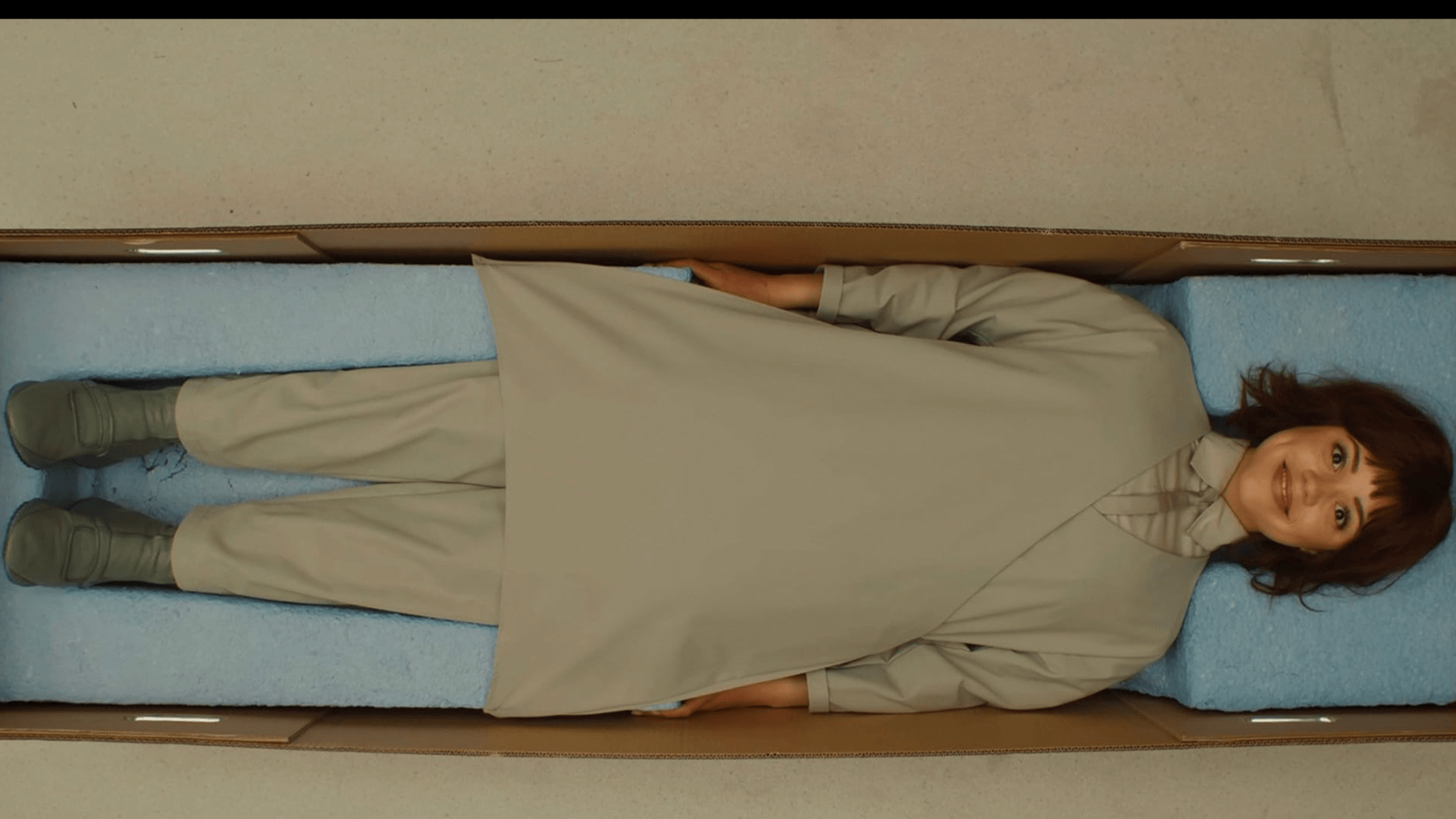
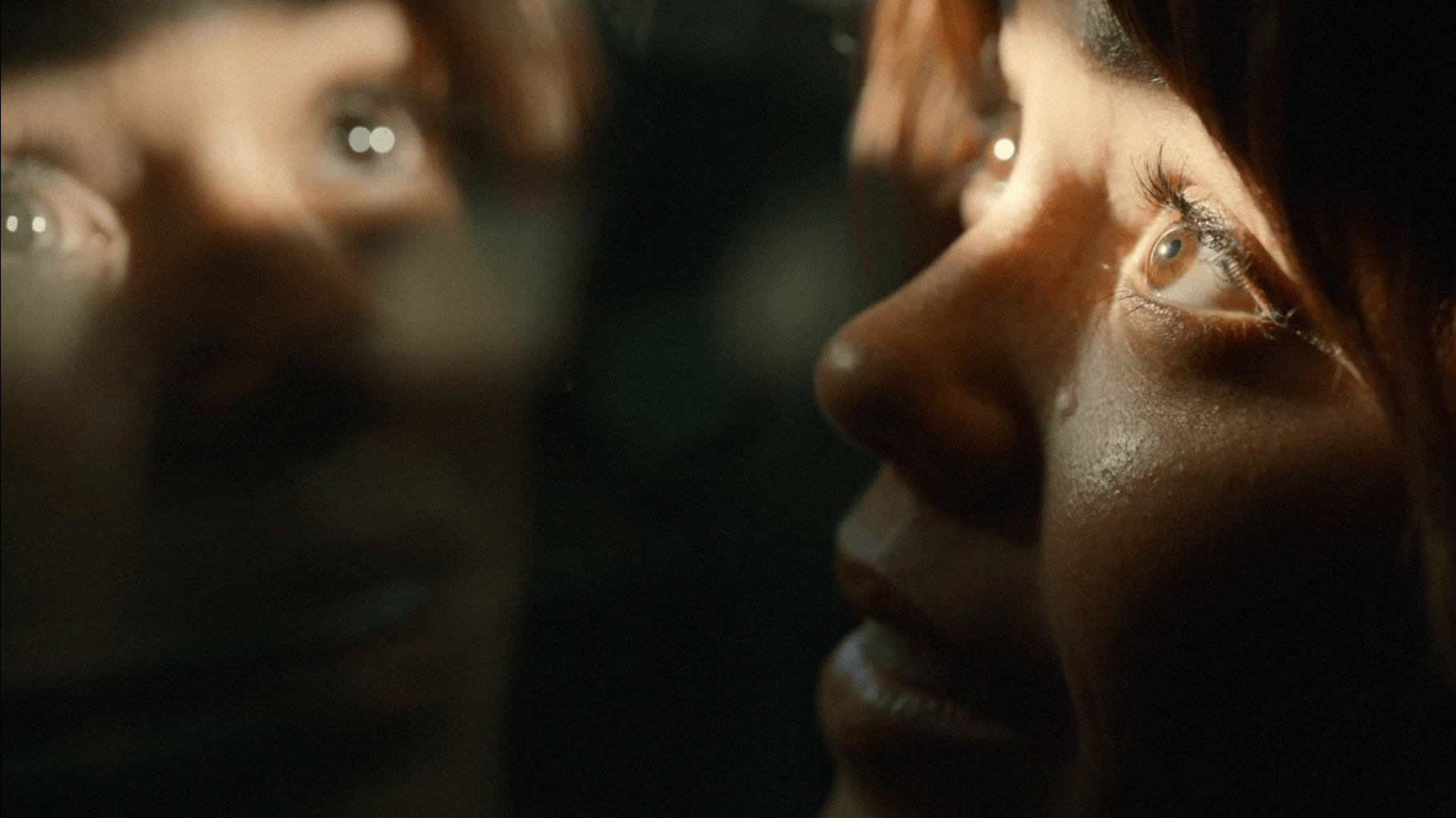
One of the tricky aspects of this is that Klara, a machine that is supposed to be a “friend”, communicates, at least initially, as a machine (a highly advanced robot) would. Also, she is the main protagonist and a first person narrator. The story is told in her (not its) voice. She adapts data and learns from it, word by word, idea by idea.
This process (in reality and in the novel) basically involves data collection (input from Klara’s sensors); data training (organizing, categorizing, and making connections); evaluating (what does she know and what does it mean?); making predictions (thinking what might happen and acting on it – in other words, “learning”). In the novel, Ishiguro carefully develops this aspect of the character, without being pedantic about machine learning. He develops it quite cleverly. The language learning is just a technique that he uses to show Klara’s development. But it is a critical technique.
Learning how to imitate human thinking
Now imagine having a character on screen speaking and thinking like this. Imagine having to somehow speed up this process of humanization, which, in the end, explains the meaning and significance of the “sun” in the title of the book and in the film. Let’s just say, in the novel, things do not end well for Klara.
No particularly likeable counterparts
There are ways of getting around this conundrum: In the film of Project Hail Mary, as in the novel of the same name by Andy Weir, one of the protagonists is basically a rock, with the nick-name of “Rocky”. Rocky only communications through sounds and musical notes, which the other stranded space traveller, “Ryland Grace”, can transcribe into words. So, though Rocky is eyeless and faceless, a no-no for alien characters, he communicates very humanly (he is a sweet, likeable alien) through Grace. Also, he has a human counterpart – basically Grace is his equal in human astronaut terms – with whom the audience can empathize and connect. In this way, the film works, and has been highly profitable.
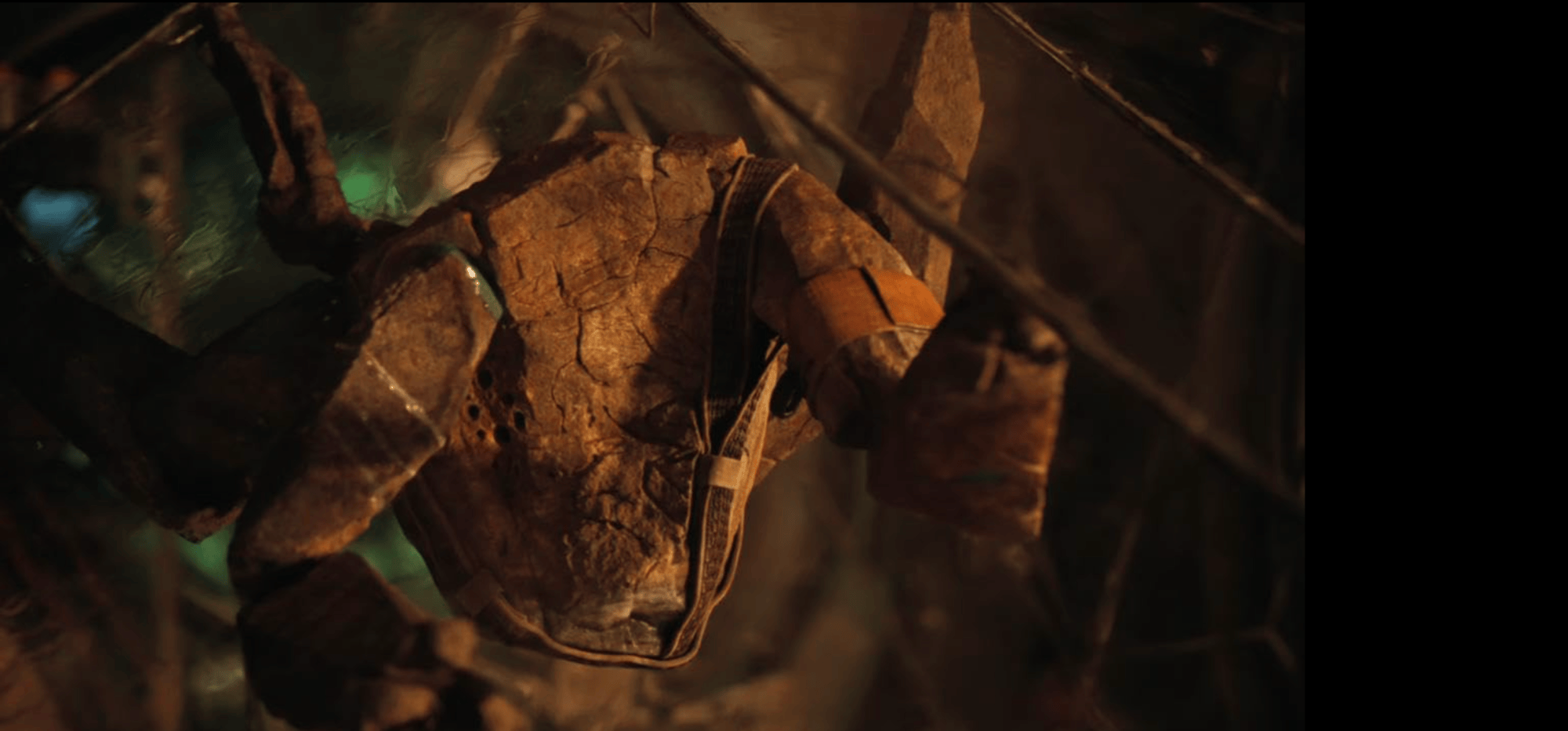

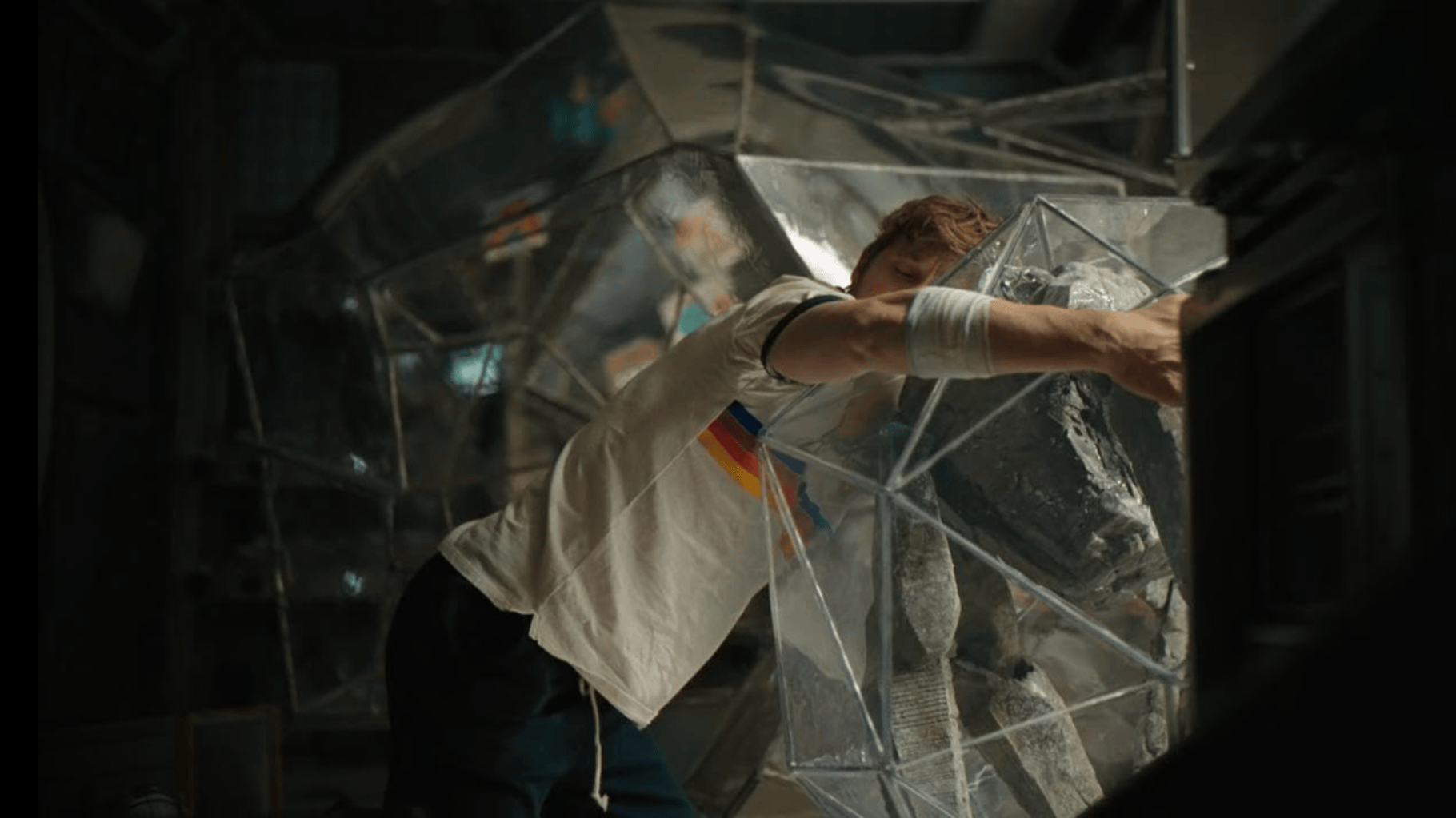
The same cannot be said for Klara and the Sun. In the novel, Klara is the protagonist, the lead character. The humans in the story are, collectively, a nasty bunch. In the narrative, Ishiguro expresses the idea that a robot could be more human, more civilized, and kinder to others, than a real human. He was basically doing the Turing Test for sentience in robots on his character, Klara, by showing her development. This could not translate easily to the screen.
Sentience without authentic emotions – is it possible?
This theme has been explored in many Science Fiction books and films. Notably, in the film Ex Machina (2014), the female robot, who looks like a beautiful woman, gains sentience. Having already passed a Turing test, this robot, “Ava”, must assessed by a lonesome tech worker, “Caleb”, for genuine thought and consciousness, including whether he can be made to relate to her despite knowing she is artificial. “Caleb” falls for the robot, and, eventually she escapes the house where she has been kept locked up.

In this film, the end result of a machine that learns, and is learning to learn, and knows that they are learning to learn (thinking about thinking), is carnage. Because while the machine can out-think the humans, it does not have genuine feelings, because human emotion – love, for instance – cannot be programmed. It is too random, too vast in scope, and unconstrained. That is the eternal, unsolvable problem of machine learning and A.I. programs.
Conclusion: You need empathetic leads
These are the reasons, in my opinion, that the film of Klara and the Sun, has not made money for the producers: the main character is simply too hard to empathize with. Basically, the audience doesn’t care whether they live, suffer, or die.
In the 320-page novel, Ishiguro carefully crafted every word to lead the reader along to the final conclusion of whether they care for Klara. Sympathy and empathy are built up as the story develops. The reader can go back and forth, and take it all in, until the mirror that he holds up for us, about human behaviour (rather than machine functions), becomes clear. In a film, this delicate conceptual development is not possible. Or, it could be, but it would not be a feature film, a Sci-Fi drama, made in, and funded by a major studio.
Read the book and – probably – see the film?
If you haven’t read the book, you might have lower expectations, or none, and might enjoy the film. If you have read the book, you would be doing critical comparisons in your head while you were watching it (as one does if the book comes first). But having said that, the novel is well worth reading, and you might want to see the film for what it has become in the hands of a talented writer and director. Despite all the constraints and problems, Waititi is still a very good film-maker.
In conclusion: I think it was daring and courageous of Waititi to take on this project, and to transform the book and bring it to the screen. He kept the strangeness and the speculative nature of the narrative, and the duality of the characters, intact. As a result, it might not please the masses, it might even be hard to watch (like the book is challenging to read) but he has created something different from the usual mindless mainstream slop. Despite the way the main character is portrayed, he has created an artistic statement – and offers the viewer a philosophical question to think about. This film might yet become popular – time will tell.


0 comments on “Non-human leads are not appealing – “Klara and the Sun” is a case in point”